IT Consultancy
IT Consultancy Get expert guidance to leverage technology for your business growth. We help you identify the right IT solutions, optimize infrastructure, and ensure your digital environment is secure,…
make IT easy


IT Consultancy Get expert guidance to leverage technology for your business growth. We help you identify the right IT solutions, optimize infrastructure, and ensure your digital environment is secure,…
Digital Marketing Grow your brand and reach the right audience with data-driven marketing strategies. We help you create campaigns that convert, manage social channels effectively, and optimize your d…
Privacy Policy At CometSoul, accessible from https://cometsoul.com, one of our main priorities is the privacy of our visitors. This Privacy Policy document contains types of information that is collec…
Welcome to CometSoul! These terms and conditions outline the rules and regulations for the use of CometSoul’s Website, located at https://cometsoul.com. By accessing this website we assume you a…
If you require any more information or have any questions about our site’s disclaimer, please feel free to contact us. Disclaimers for CometSoul All the information on this website – https…

Managed Wi-Fi Service Build a fast, stable, and secure Wi-Fi for your business at Zero depreciation cost. Enterprise-Grade Guest Wi-Fi With $0 Upfront Hardware Costs. We provide, install, and support …

Smart Business System Integrator Simplify your daily operations with smart systems that automate bookings, schedules, and routine tasks so you can focus on growing your business. We set up and integra…

IT Procurement & Hardware Managed Service Keep your technology running smoothly from the hardware you use every day to the systems that power your business. We provide end-to-end IT management so …
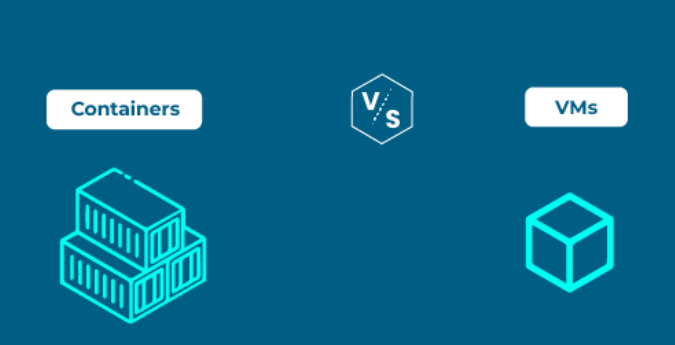
In modern IT environments, Virtual Machines (VMs) and containers are widely used to run applications and services. While they may look similar on the surface, they serve different purposes. Knowing when to use a VM and when a container is the better option can make your infrastructure more efficient, secure, and easier to manage.
Virtual Machines are best suited for scenarios that require strong isolation. Each VM runs its own operating system with a dedicated kernel and allocated resources. This makes VMs ideal for legacy applications, workloads that require full OS control, or environments with strict security and compliance requirements. VMs are also a solid choice when you need to run different operating systems on the same physical server.
Containers, on the other hand, are built for speed and efficiency. They share the host operating system’s kernel and package only the application and its dependencies. This makes containers lightweight, fast to start, and easy to scale. Containers are especially well-suited for microservices, cloud-native applications, CI/CD pipelines, and development environments where consistency across systems is critical.
Choosing between VMs and containers shouldn’t be about picking one over the other. VMs shine when stability, isolation, and system-level control are the top priorities. Containers excel when rapid deployment, efficient resource usage, and scalability matter most.
In real-world deployments, many organizations use both together. VMs provide a secure and stable infrastructure layer, while containers run on top to manage applications. This hybrid approach combines the strengths of both technologies and helps teams build flexible, reliable IT systems that can grow over time.